
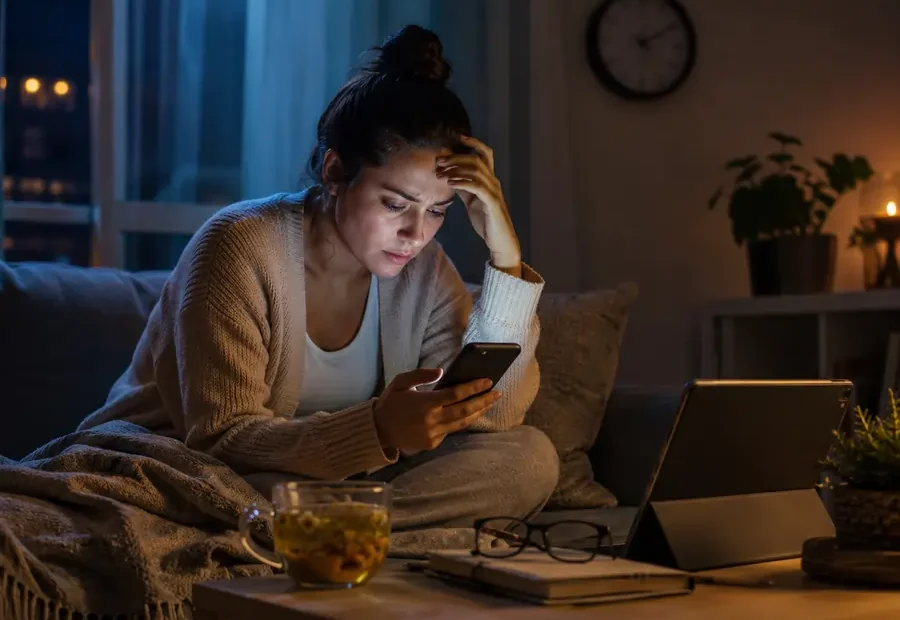
By the time most adults reach the end of a working day, the nervous system has been quietly accumulating tension for hours: deadlines, traffic, notifications, the low hum of decisions that never fully switch off. What happens in the hours between work ending and sleep beginning matters more than many people realise, because this window largely determines how well the body actually recovers overnight. Increasingly, that window is filled with screens, and health researchers have taken a genuine interest in what this shift means for stress levels, sleep quality and overall wellbeing. This article looks at what the evidence actually says about evening screen use, why some forms of digital entertainment appear more relaxing than others, and where activities like online casino gaming fit into that broader picture.
The physiology of an unwound evening
Stress, in physiological terms, is largely governed by the autonomic nervous system, which operates in two competing modes. The sympathetic branch keeps us alert and reactive, useful during the working day but counterproductive once the priority shifts to recovery. The parasympathetic branch does the opposite: it lowers heart rate, slows breathing and allows digestion and repair processes to take over. A genuinely restful evening is one where the parasympathetic system gets the chance to dominate, and the activities that achieve this most effectively tend to share a few features: they are low in urgency, they do not demand constant vigilance, and they allow attention to settle into a single, undemanding focus.
This is the lens through which health researchers increasingly examine screen-based leisure. Not all screen time is equal from a physiological standpoint. Doom-scrolling a news feed of alarming headlines keeps the sympathetic system engaged well after the phone is put down, while a calmer, more contained digital activity can support the shift toward parasympathetic dominance that the evening actually requires.
Why not all digital entertainment affects stress the same way
Sleep and stress researchers generally distinguish between screen activities based on their emotional and cognitive demands rather than simply the presence of a screen. Content that is emotionally volatile, socially comparative or open-ended in its stopping point tends to correlate with poorer wind-down outcomes. Social media feeds are the most studied example here, because their infinite scroll format and unpredictable emotional content, celebration, outrage, comparison, in rapid succession, keep the alert system engaged rather than settling it.
By contrast, activities with a clear structure, a defined session length and a predictable emotional register tend to fare better in self-reported relaxation measures. This is part of why structured games, whether a crossword, a puzzle app or a simple casino-style game, are often reported by users as more calming than open social browsing, even though both involve comparable screen time. The predictability of the format appears to matter more than the screen itself.
The health information environment matters too
One further consideration in the modern evening is how people consume information generally, including health information. A significant portion of stress in daily life now originates from an overload of conflicting or alarming information encountered casually online, and health literacy researchers increasingly emphasise the value of well-organised, verified sources over unfiltered feeds. Platforms such as MedPages exist precisely to address this gap, offering fact-checked, editorially reviewed health reporting rather than the more emotionally charged and less reliable content that circulates on general social platforms. Choosing where evening information comes from is, in a small but real way, part of managing evening stress, since anxiety-inducing or poorly sourced content can undo the relaxation benefits of an otherwise calm routine.
Where online casino gaming fits into the picture
Within the broader category of structured digital entertainment, online casino games occupy a specific niche that some users report finding genuinely relaxing, provided they are approached in the right way. The appeal seems to rest on the same structural qualities described above: a defined session, a clear and repetitive format, and outcomes that are emotionally mild compared to, say, competitive online gaming or emotionally charged social content. Slower-paced games in particular, with gentle visuals and predictable pacing, are often described by casual players as a low-stakes way to occupy the mind without adding to the day’s cognitive load.
Sites like wino casino illustrate the kind of format this typically involves: short, self-contained rounds that begin and end cleanly, without the open-ended demands of a social feed or a live multiplayer match. This structural simplicity is a meaningful part of why some players find this type of gaming easier to switch off from than other forms of digital entertainment, and easier to fit into a genuine wind-down routine rather than one that bleeds into late-night overstimulation.
The important caveat: entertainment, not treatment
It is worth being precise about what this evidence does and does not support. Structured, low-stakes digital entertainment can be one reasonably relaxing option among many for winding down an evening, in the same category as a puzzle, a light game or a calm hobby. It is not, and should not be treated as, a treatment for stress, anxiety or sleep problems. Health researchers are consistently clear that persistent stress or poor sleep warrants proper clinical attention rather than self-management through any form of entertainment, gambling included. Anyone whose stress or sleep difficulties are ongoing should speak to a GP rather than relying on evening activities to resolve what may be an underlying health issue.
The financial dimension of a “relaxing” activity
Because online casino gaming involves real money, it carries a consideration that other relaxing evening activities, like a puzzle app or a streaming show, simply do not: financial risk. A genuinely stress-reducing evening routine should not introduce a new source of stress, and unmanaged spending is precisely the kind of stressor that can undo whatever physiological benefit a calm evening was providing in the first place. This makes the framing of the activity important. For it to function as relaxation rather than as a source of anxiety, it needs a fixed, modest budget decided in advance, treated the same way one would treat the cost of any other evening’s entertainment, with no expectation of financial gain attached.
Building a genuinely restful evening routine
The broader lesson from sleep and stress research is less about any single activity and more about structure. A wind-down routine that works tends to include a wind-down cue, some signal, whether dimmed lighting, a set time or a particular activity, that tells the nervous system the day is over. It tends to avoid emotionally volatile or open-ended content in the final hour before sleep, and it tends to have a natural stopping point rather than continuing indefinitely. Whether that routine includes reading, a calm game, a warm bath or a short, budget-limited casino session is less important than whether the activity is bounded, predictable and genuinely enjoyable rather than compulsive.
When to seek support
If gambling of any kind starts to feel less like a bounded, relaxing choice and more like something difficult to stop or control, this is a signal worth taking seriously rather than managing alone. In Ireland, Gamblers Anonymous Ireland offers free, confidential support and regular meetings across the country for anyone who has concerns about their own gambling or that of someone close to them.
Conclusion
The research on screen time and evening stress points less toward screens being universally good or bad and more toward structure and predictability being the qualities that actually matter. Bounded, low-key digital activities appear to support the physiological shift toward rest better than open-ended, emotionally volatile browsing does. Online casino gaming can, for some people, fit this pattern when approached with a fixed budget and time limit and treated purely as entertainment. But it is one option among many, not a health intervention, and anyone dealing with persistent stress or sleep difficulty should look to proper clinical guidance rather than any evening activity as the solution.